
Design · August 14, 2026 · 10 min read
How to Style a Modular Sofa Like an Interior Designer
A research-led Maiden House guide to how to style a modular sofa like an interior designer, with clear checks for fit, comfort, care, cost, and long-term ownership.
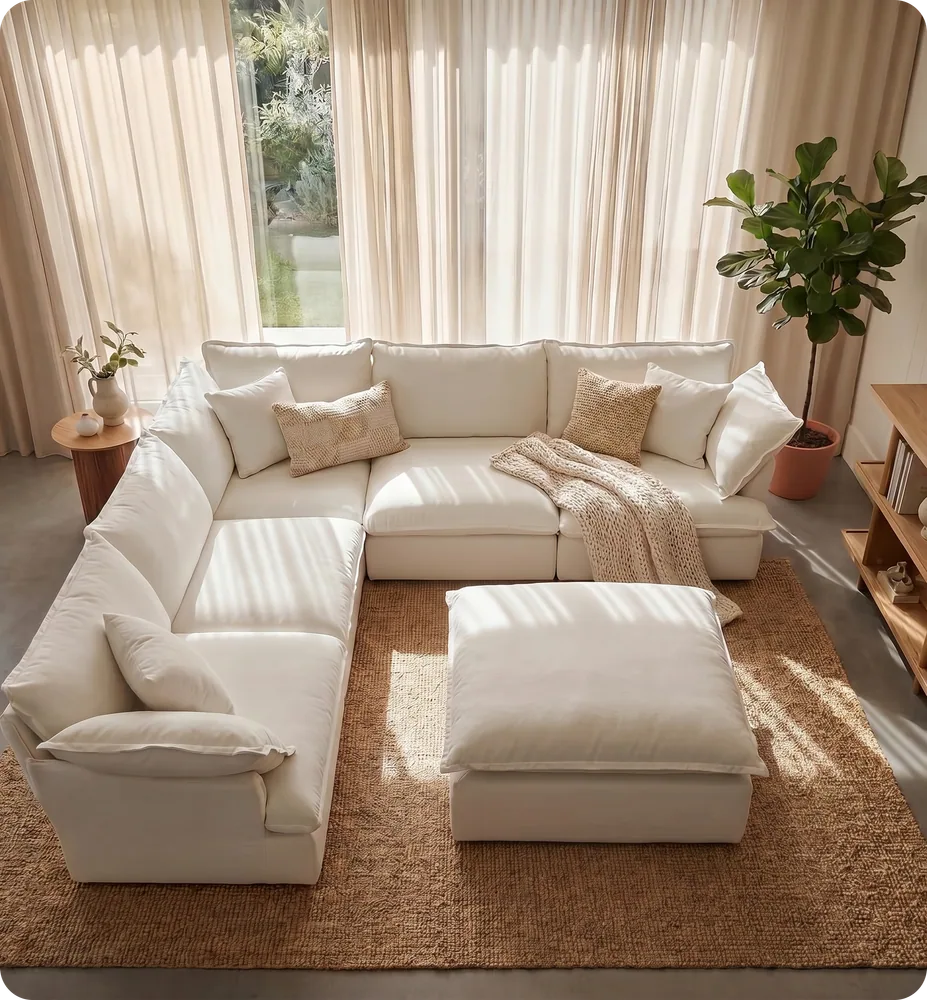
The short answer on how to style a modular sofa like an interior designer
The best approach to how to style a modular sofa like an interior designer begins with the room and the people using it. A strong choice fits physically, supports the preferred way of sitting, has a realistic care routine, and remains sensible at the full delivered price.
For how to style a modular sofa like an interior designer, rank fit and daily usefulness above novelty. The best answer is the one you can support with measurements, care instructions, and current policy details. Use this guide as a decision framework, then verify changing details on current product, care, delivery, return, and warranty pages.
How do you make the room feel intentional?
Start with proportion and function before decoration. Decide where conversation, viewing, reading, or circulation should happen. Use the upholstered seating, rug, tables, lighting, and chairs to reinforce that plan rather than asking every object to become a focal point.
Write your non-negotiables before looking at colors. Separate must-have requirements from preferences. For how to style a modular upholstered seating like an interior designer, this makes tradeoffs visible and prevents attractive styling from outweighing a poor practical fit.
A practical comparison scorecard
Use the same five-part scorecard for every candidate. Do not award points for a claim unless you can find supporting measurements, instructions, material details, or policy language. Mark missing information as unknown instead of assuming the best.
| Decision area | What to check | Useful test |
|---|---|---|
| Scale | Sofa, wall, rug, ceiling | No object crushes the room |
| Focal point | One clear visual destination | Seating supports it |
| Color | Base, support, small accent | Tones repeat without exact matching |
| Texture | Smooth, woven, soft, hard | Contrast reads from across the room |
| Lighting | Ambient, task, accent | The room works after sunset |
Test the decision in your own room
Repeat materials and colors with restraint. Let the upholstered seating carry a quiet base tone while art and smaller pieces provide contrast. Mix texture at different scales, preserve open floor around the largest pieces, and remove one item after the living area feels finished.
Include everyone who uses the seating regularly. One person may sit upright while another curls up or stretches out. The right result supports common behavior without making movement, cleaning, or rearranging unnecessarily difficult.
- Measure and photograph the living area before moving furniture.
- Tape the footprint and live with it for one normal evening.
- assess seat measurements with furniture you already find comfortable.
- Read full care instructions and policies, not only feature badges.
- Save the final arrangement and measurements with the order.
Common mistakes to avoid
Overall width never tells the full story. Depth, arm thickness, usable seat width, back height, and module direction change how large and comfortable a upholstered seating feels. Terms such as washable, modular, performance, or premium are not complete specifications; different products use them differently.
Do not optimize for a staged photograph. It cannot reproduce your doorway, daylight, flooring, pet hair, viewing distance, or storage needs. Bring evidence back to the living area through samples, taped outlines, exact measurements, and a written shortlist.
How to separate evidence from marketing language
When researching how to style a modular upholstered seating like an interior designer, translate every broad claim into a question that can be checked. “Comfortable” should lead to seat depth, seat height, back support, cushion construction, and the intended sitting posture. “Durable” should lead to frame materials, joints, suspension, upholstery tests, seam construction, and access to replacement parts. “Easy care” should lead to a complete written cleaning process.
Give the strongest weight to information that is specific, current, and tied to the exact arrangement you are considering. Dimension diagrams, care labels, package measurements, written policies, fabric samples, and answers from customer support are more decision-ready than lifestyle photography. If a claim cannot be connected to evidence, leave it out of the score rather than quietly treating it as true.
Comfort is a measurement and a behavior
support is not a single softness scale. The same deep seat can feel generous to someone who lounges and awkward to someone who sits upright with both feet on the floor. Seat depth, height, back angle, cushion compression, arm position, and body proportions work together. Cornell University's sitting guidance is written for task seating, but its central lesson still applies: seat geometry changes whether a person can use the backrest and support the legs.
Use a upholstered seating you know as a reference. Measure its seat from the front edge to the usable back, its height from the floor, and the width available between arms. Note what you like and dislike after at least half an hour, not only during the first minute. This turns how to style a modular upholstered seating like an interior designer from guesswork into a comparison based on a familiar physical experience.
Think through the first year of ownership
Imagine the first spill, the first gathering, a normal cleaning day, and the first time the living area needs to change. Who removes the covers? Where will they dry? Can one person move a module? Will connectors stay hidden and secure? Can a favorite seat be rotated, refreshed, or replaced? These ordinary moments reveal more about how to style a modular upholstered seating like an interior designer than a list of launch-day features.
Also inspect the less visible parts of ownership: arrival appointments, package disposal, assembly time, access to instructions, return packaging, restocking or pickup fees, warranty claim evidence, and the availability of service after purchase. A lower purchase price can lose its advantage when a mismatch is difficult to correct, while a higher price does not create value unless the added benefits are ones your household will use.
Make a decision you can explain
Create a one-page record for each finalist. Include a living area sketch, arrival-path measurements, arrangement image, fabric decision, care rules, delivered total, return deadline, warranty link, and the three reasons it fits your household. Score fit, support, care, flexibility, and cost from one to five, but add a short note beside every number so the score remains meaningful.
Then run a final red-flag check. Stop if the package route is uncertain, an essential dimension is missing, the care method conflicts with your routine, the return cost is unclear, or the budget depends on an unverified promotion. For how to style a modular upholstered seating like an interior designer, confidence should come from resolved practical questions. A slower decision made with good evidence is usually easier to live with than a fast decision driven by urgency.
Our recommendation for how to style a modular sofa like an interior designer
Choose the option that clears every non-negotiable with the fewest difficult compromises. For how to style a modular upholstered seating like an interior designer, rank fit and daily usefulness above novelty. The best answer is the one you can support with measurements, care instructions, and current policy details. If two choices are close, favor clearer documentation, manageable care, and components that can be renewed or rearranged.
Maiden House offers washable modular seating for households that value flexible layouts and removable covers. Apply every check in this guide to our collection too; product fit should come before brand preference.
Before checkout, pause and repeat the three checks most likely to prevent regret: confirm that the largest package can reach the living area, assess the seat geometry with a upholstered seating you already enjoy, and read the complete return and cover-care instructions. Keep screenshots or saved copies with the order so that the decision remains easy to understand later.
A flexible place to start
Washable seating that can change with the room
Compare Maiden House configurations, dimensions, cover colors, and current details with the checklist above.
Explore washable modular sofasFrequently asked questions
What matters most when researching how to style a modular sofa like an interior designer?
Physical fit, comfort fit, care fit, and budget fit. A good result satisfies all four rather than maximizing one feature.
Should I trust sofa reviews?
Use reviews to identify recurring themes, then separate them by configuration, household, and length of ownership. They are evidence, not a substitute for measurements or current policies.
How should I compare sofa prices?
Configure the same seat count and include required modules, covers, shipping, tax, and likely accessories. Compare delivered totals, not advertised starting prices.
What should I confirm before ordering?
Confirm the exact configuration, dimensions, package sizes, fabric, care instructions, delivery method, return conditions, warranty terms, and final total.
Research and further reading
Independent educational sources support general safety, indoor-air, cleaning, and ergonomics context. Always check product-specific instructions with the manufacturer.
Continue reading